


traffic calmingsilent cops or silent executioneers
|
||
executive summary |
||
|
Many road deaths have resulted from burst tyres or drivers simply "losing control". Today we have silent cops on the road, in the form of traffic calming devices. But these silent cops, by their very intent, cause damage to cars that break the rules. Also the way we use kerbstones causes damage to vehicles. Some of that damage, like injury to tyre sidewalls and throwing out wheel alignment, could lead to fatal accidents.
| ||
accidents from burst tyresHere are some examples of accidents that were caused by burst tyres
Warning, PG, shocking images ahead |
||
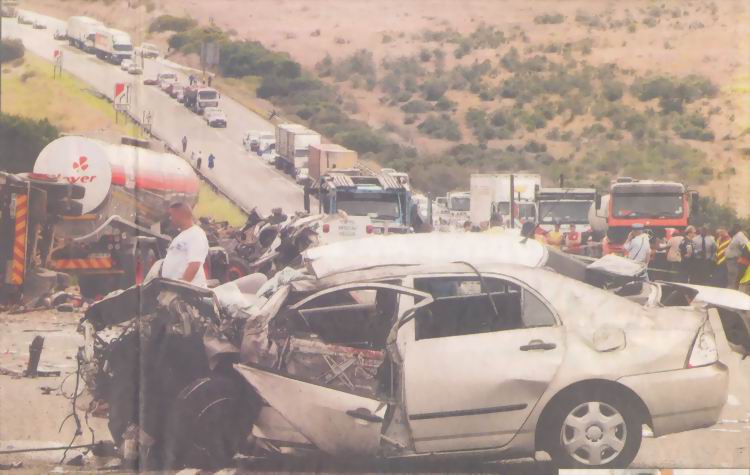
pattersonOn Saturday morning 25 February 2006 a taxi carrying a group of people including children from Patterson to Port Elizabeth for a day of shopping burst a front tyre and rolled in underneath a milk tanker, killing all 20 people on board. The top photo from The Herald by Eugene Coetzee shows the unrecognizable shape of the taxi after the crash. The closest witness to the accident, the driver of the truck, Deon Pienaar of Clover, was reported in Die Burger having said he saw the tyre burst before the taxi rolled towards him. He could not get out of the way in time. He heard terrible screaming as the taxi ploughed under the truck, followed by a deadly silence, and then he lost consciousness. A photo from Die Burger by Mlandeli Puzi shows wreckage across the road including that of the Toyota Corolla that crashed into the taxi from behind, and the string of vehicles backed up from the east. The road was closed for 5 hours before the wreckage was cleared
Another Burger photo published in the Daily Sun shows the ghastly accident scene
|

|
|

|
hayley thompson
Victoria Park 18 year old schoolgirl Hayley Thompson, one of the PE Thompson Triplets, died in an accident in Nov 2006 when a tyre burst. Hayley is on the right with her sisters Carla and Keri in this Herald photo taken by Mike Holmes |

|
|
the hammond family
An accident in September 2006 near Hankey claimed the lives of Dr Carlo Hammond, his wife and two children when a tyre burst and the vehicle they were travelling in plunged off a low bridge into the Gamtoos River. In the Burger photo by Charles Pullen please take note of the tyre that has come off the rim of the front wheel |

|
|
international speed skaters
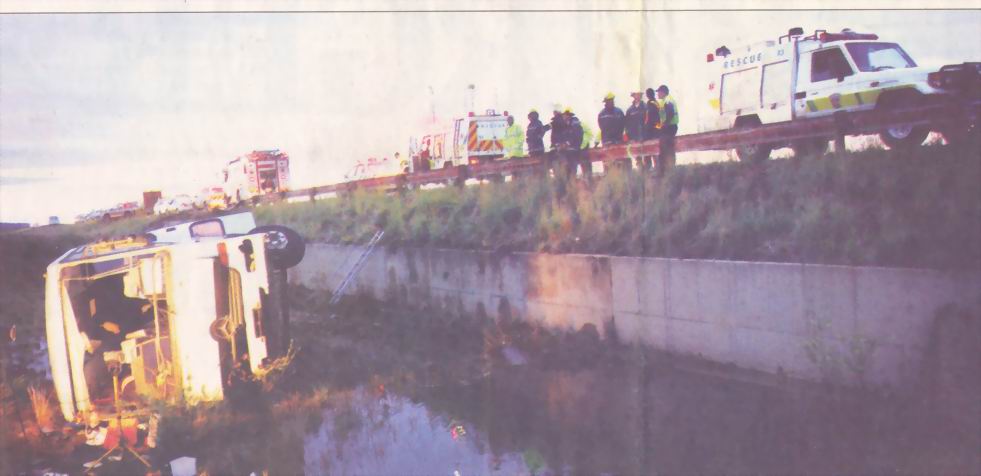
In January 2006 a mini bus carrying a group of international speed skaters crashed killing three passengers when a tyre burst at 02:00 and the vehicle went down an embankment. Photo by Charle Lombard from Die Burger |
|
|
accident near craddock
A truck and trailer combination overturned in an accident near Craddock. Close examination of the three topside rear wheels will show that the tyres on two of them are off the rims, which was likely the cause of the accident. Tyres if properly inflated dont come of the rims in a swerve or a skid, so those tyres must have deflated before the rig overturned, and caused a loss of control. |

|
|
Samantha at Fish River
Young mother of three, Samantha Niven, just finished her term at Capstone Primary Care in Port Elizabeth, on her way to the Transkei to meet her fiancee, lost control and was killed in the Fish River pass on the N2 past Grahamstown. At this stage it is not known for certain, but the accident has all the markings of a blown tire. Regardless, let this be a warning to every-one hitting the long haul, that your tires are the thread on which hangs your life, If any one of them might have has a bad knock against a kerb or otherwise, be safe and replace it |

|
|
causes of burst tyresWhile tyres may burst for other reasons like overloading, incorrect size or poor maintenance, non mountable barrier kerbs are a big contributor. Tyres that strike kerbstones could receive latent damage to the vulnerable sidewalls, that later fail at sustained highway speeds. Old customs die hard. Non mountable barrier kerbs go back to horse drawn days, where drainage in rainy London to keep the sidewalks dry was more important than the safety of wheels, and remained the pattern. Special permissions were and still are required for mountable kerbs, to keep vehicles from parking on sidewalks, or to allow cars to access driveways. The application of barrier vs sloping kerbs is often confusing, because the pattern is not consistent. It makes no sense that roads like Walker Drive and Restitution Avenue should have barrier kerbs, and other routes not. New construction everywhere seems to favour barrier kerbs, and it is particularly poor because it causes lane blockages in case of accidents or breakdowns, and hampers access of emergency vehicles. But let that be for now. The serious problem is at lane dividers, channelization and "traffic calming measures", like roundabouts that have been retrofitted to old intersections. At these locations barrier kerbs should not be used.
Please see the page Level of Service on this website. The preponderance of traffic calming measures is not going to solve the problem, instead it adds to the frustration and ultimately lawnessness. As part of relieving congestion in the future, and to make this part of our road domain safer, in all these high risk areas mountable kerbs should be used so that if struck, tyres will not be latently damaged.
This presentation has some harsh words on a serious subject, and is not intended to point a finger at any specific persons. It is intended to address the relevant policies and for every criticism there is hopefully a constructive suggestion. Road design manuals describe and discuss kerbs, speed humps and calming measures at some length, but they are soft on warning about the growing hazards they present as congestion and traffic volumes increase. |
||
tyre damage causes |
||
|
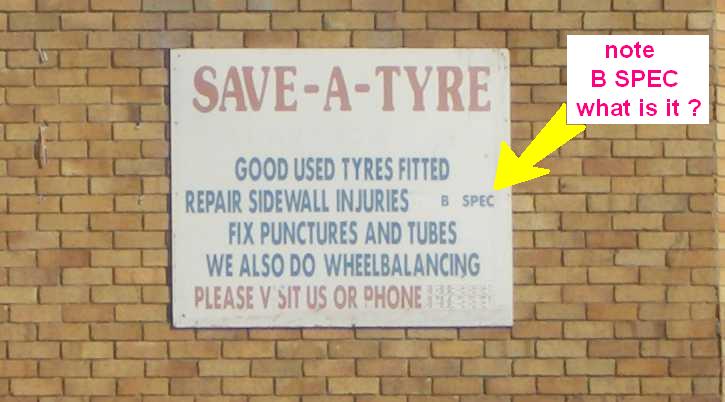
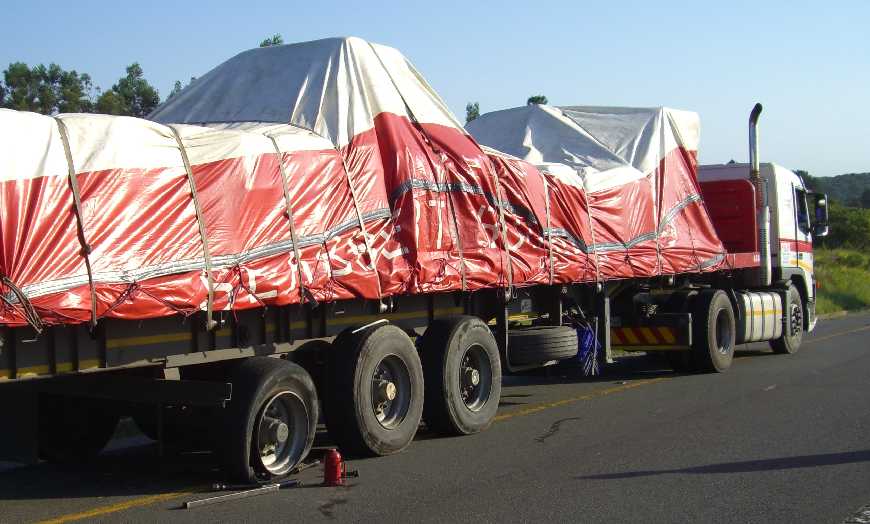
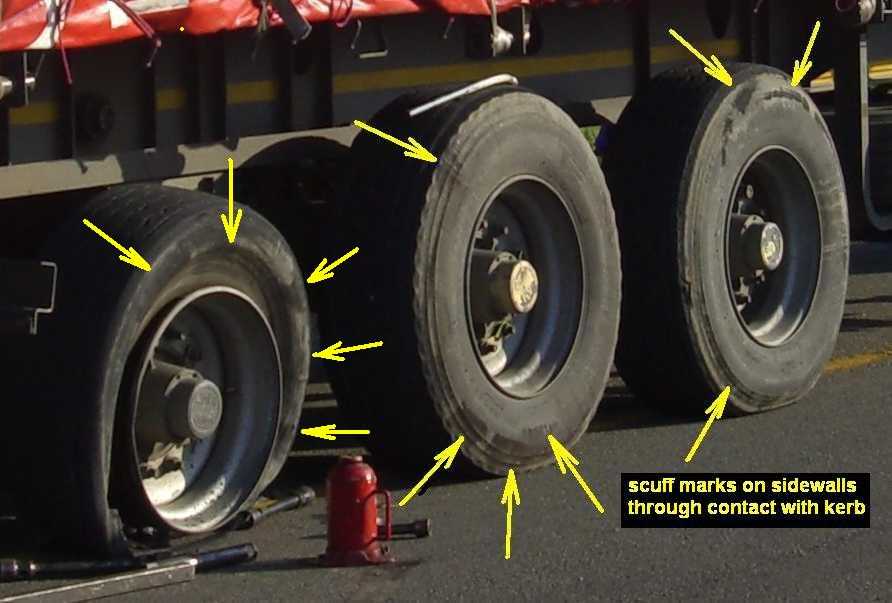
In all cities there are drivers who take shortcut side routes through residential areas to escape the congestion and delays along non functioning arterial routes. The Americans call this type of traffic "backfill". Such was the controversial case with speeding along Alan Drive, which, after public complaints, was flooded with silent cops in the form of speed humps and mini roundabouts, turning this road into an obstacle course and thereby discouraging shortcut drivers from using it. Please see the page Level of Service on this website. Elsewhere similar examples exist, which in some cases simply moves shortcut drivers to other shortcuts, but none address the basic problem of driver frustration with the endless procession of red lights along the main routes. Sadly, all of the Alan Drive construction could have been avoided by a right turn prohibition at Willow Road and /or some one-way arrangements, but better still, the money could have been put towards making William Moffat function as the important arterial it is, for which it carries the misleading name Expressway Speed humps and miscellaneous "calming measures" are negative planning features, shifting the focus to the wrong places, specially if there is an element of surprise. These are a kind of bastion of fear to force legal compliance, but these same features can cause latent damage to vehicles and cause serious accidents later. Hard objects like this battered lane divider can cause invisible damage to tyres, later leading to blowouts at sustained highway speeds. While the city continues to use this form of hazardous device for traffic control, the hazard is compounded because there appears not to be the capacity to repair the warning signs when they are knocked down. There have been cases of the warning signs being down for months before they were repaired For young drivers, the K53 driver training manual warns that the sidewalls of tyres must never be scuffed against kerbstones. The older ones among us generally know that too, but few have not accidentally struck a kerb unintentionally at some time or other. Because drivers will strike kerbs unintentionally, and risk causing the said damage, non mountable barrier kebs should be outlawed. This is particularly important in the case of channelization, lane splitters, and mini roundabouts. Said mini roundabouts springing up all over the city, where drivers are forced into lock to lock steering manouvres, are a bad case of creating this hazard. Take note in any mini roundabout how many tyre scuffs there are against the original kerbs, and how many rim graunches there have been. Enlarge picture example of caterpillar treads, probably a big 4x4 having not quite made the full lock steering position in one of the new Alan Drive mini roundabouts, damaging a tyre and expensive mag rim. That tyre if not replaced, could blow out on the next trip to Bloemfontein and kill a few people, somewhere along a hot Karroo road, this Christmas holiday A trade in the city survives off graunched rims and damaged tyres. The 4x4 might have gone to Rim Fix. A lesser vehicle might have gone to a Wheel Doctor in a sleazy back street for a fix, and if he did not quite have the budget for a new tyre, depending if it was losing air or not, might have gone to SaveATyre for a B spec sidewall repair Striking speed humps or center islands, even when travelling within the speed limit, can throw out wheel alignment. Here is a yellow painted island at third ave in Newton Park. Click on the pic to enlarge it and take note of how many strikes it has had. Most speed humps around the city, specially those mountainous ones, have had a similar amount of strikes. Wheel alignment thrown out by such strikes can cause a vehicle to become unstable at highway speeds, and cause it to lose control in a sudden swerve. The burst tyre in the photos of the truck with the red and white cover fortunately did not cause an accident. Click here to see scuff marks from contact with kerb stones. A large radial graunch mark can be clearly seen on the sidewall of the blown tyre. Large trucks are frequently seen turning and reversing up against and over barrier kerbs in the city while doing their work, where else can this tyre have been damaged leading to the blow out. It is not a justification to say "yes, but they should have obeyed the law ". We are all human and can make mistakes, in this case, about every one who has driven a motor vehicle has at some time inadvertently struck a kerb. While inside our cars we are protected by a multiplicity of safety features, recognizing the inevitable that accidents may occur, outside our cars we have these hazardous road features on a comply or die basis. In our society no-one is allowed to set a trap that can harm another person, but that is what traffic calming devices do. They cause latent damage to cars that can lead to fatal accidents. There is a vindictive element present in the way traffic calming devices are used, to a degree that constitutes punishment without a trial. The transgression may be present, but there is no opportunity for a defence or mitigation, such as permitted by our judicial system. Some warning devices for speed humps and circles are used, but mostly are feeble, inadequate and not maintained. In some cases where signs have been knocked down they are not replaced for weeks or months. The vulnerability of signal and sign posts is constantly demonstrated by the frequency at which they are violated, leading also the need to question, are we doing it correctly. In this forum the way sign posting is done should is questioned. In some locations traffic signals are suspended from overhead cables. Knock down signs have always been considered a possibility, but does not seem to have been successful as yet. This presentation does not propose suggestions for signage ecept draw attention to it as a related subject |

|

|

|

|
|
|
|
|

|
tyre damage - to avoid remove road hazards |
||
|
What is a safe road ?
|
||
|
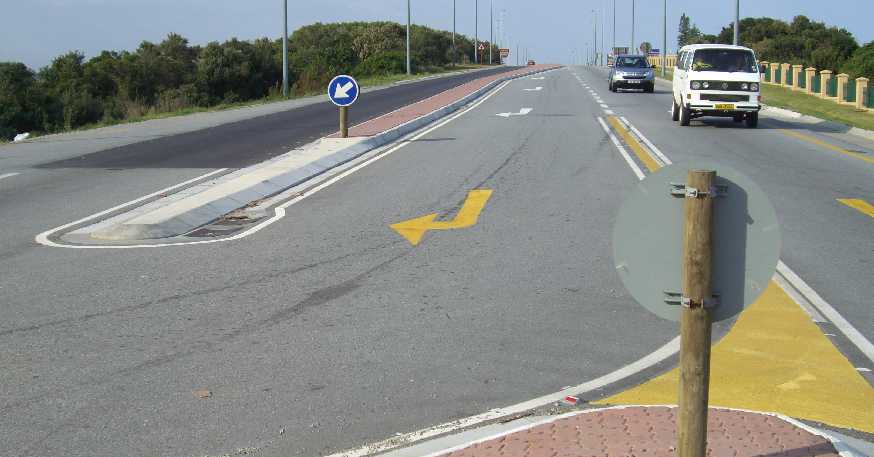
The following roadworks pics were taken in 2007 Traditional non-mountable barrier kerbs are seen on this splitter island on the N2 at Plettenberg Bay. The use of non-mountable barrier kerbs is widespread, and is still the choice at this quite new installation, as well as at most road works carried out at Port Elizabeth today. While only a few months old, this kerb has already been struck a number of times (click here to see closeup) and here to see top of page example However, at Wilderness, not far from the works at Plettenberg Bay, new tyre friendly kerbs have recently been built. Here can be seen a two stage mountable divider arrangement. It can also be seen that mountable kerbs used for channelization in this case is tyre friendly Mountable kerbs do everything common non mountable (barrier) kerbs would do, without being a hazard to tyres.
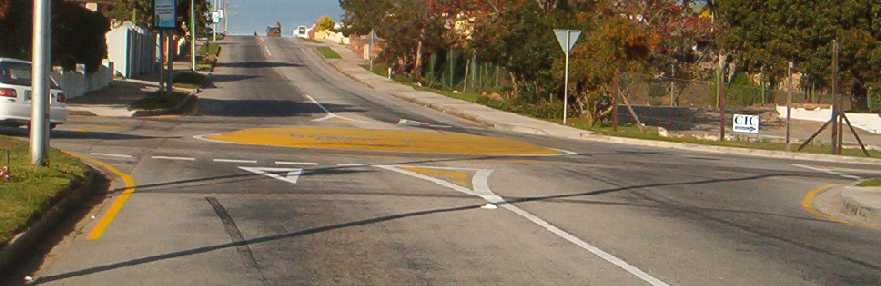
At the new Wilderness works corner kerbs have also been made mountable and tyre friendly Similarly kerb radii are traditionally non mountable and take a hammering from tyres, delivering countless injuries to tyre sidewalls. The two differing approaches to road design and safety, 50 km from each other, is interesting Port Elizabeth has adopted a policy of building traffic circles, roundabouts to use the preferred definition, in many places around the city. There is an experimental element involved, because many styles have been adopted around the city, despite the fact that roundabout design standards have been very well defined elsewhere. It is not always clear whether the purpose of the roundabouts is traffic control, traffic calming or just a learning process of trying out different styles. Roundabout design has been studied in depth and reported on via very comprehensive documents http://www.tfhrc.gov/safety/00068.pdf and href="http://www.tfhrc.gov/safety/roundabouts.zip, with the object of getting consistency through-out the vast United States It is confusing to drivers if road features are not clear in their intent and constant in their design. It is spelt out in road design manuals (see SANRAL 8.1.1 above) that drivers must not be suddenly surprised by inconsistent road features. This can lead to damage to cars. The controversial and much criticized Willow Road Circle is shown here in a very battered state. Allowing this to be done to vehicles is not the way to control traffic and calls into question the policies on which local decisions are made Speed humps is another source of road and vehicle carnage. While simpathy rests with the recklesness that has caused tragic road deaths, speed humps, specially on through roads and without adequate warning, is not the answer if vehicle safety and roadworthyness is to be taken seriously. Speed humps on the van der Kloof bridge for example is not going to control the basic cause of the recent accident that killed 6 school children, possibly cause more harm than good in terms of the further damage and unroadworthyness it will inflict. The bottom photo shows an example of a hard to see speed hump camoflaged by a shadow on an otherwise clear road. This might have been unintentional, but every speed hump is a case on its own and there is a lack of consistency. Some speed humps can be "taken" at 40 km/h, others only at 15 km/h. This is a practice that must be properly adapted in terms of vehicle safety requirements, some of which might still need to be written. The only reliable warning ahead of a speed hump is an adequate series of rumble strips such as found on freeways (not the single strip arrangement presently in use).
rumble strips would work
Rumble strips of the kind found on freeway ramps, some with progressive spacing, are very effective and reliable (not the single strips used in the Metro), and if used ahead of any calming devices placed in the roads would alert drivers, even if signs are missing or not seen due to poor visibility or for any other reason.
|

|
|

|

|

|

|

|

|


Survey | SEO
|
sponsors |
| armcoil automation |
| slip technologies |
| street talk trading |
| impact advertising |
| sunpacerdesign |
|
sponsors contact us to advertise here |
|
to downoad maps and photos, this site best navigated with broad band |